
Buying a home involves much more than checking the roof, foundation, electrical system, and plumbing fixtures. One of the most expensive problems can remain completely hidden underground: a damaged or failing sewer line.
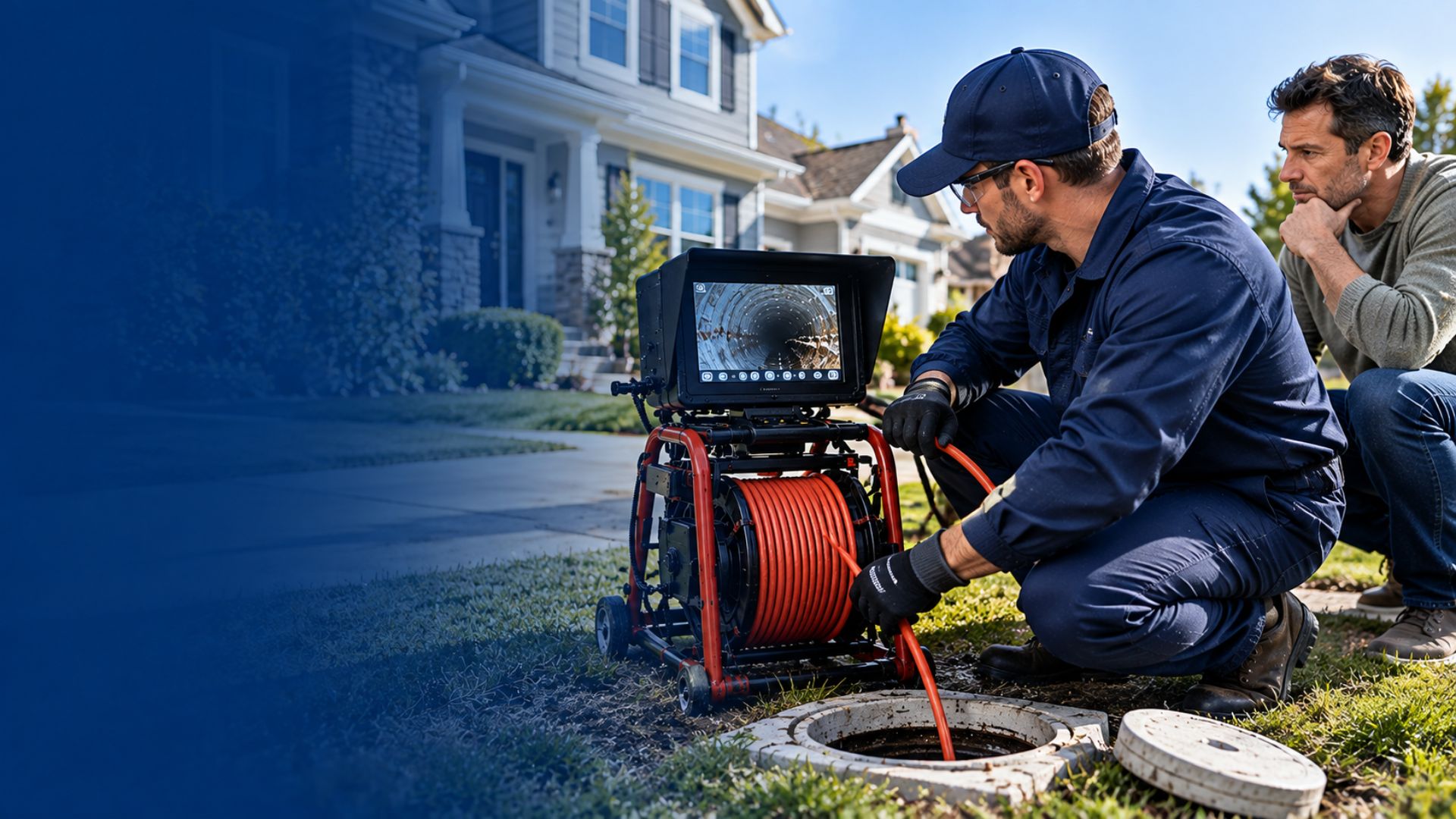
A sewer inspection before buying a house uses a specialized camera to examine the private sewer lateral running from the home toward the municipal connection or septic system. It can identify roots, cracks, blockages, collapsed sections, offsets, corrosion, and other defects before they become the buyer’s responsibility.
Doodyman To The Rescue provides professional sewer camera inspections throughout Nassau and Suffolk County, helping Long Island buyers see exactly what condition a sewer line is in before closing.
What Is a Sewer Scope Inspection?
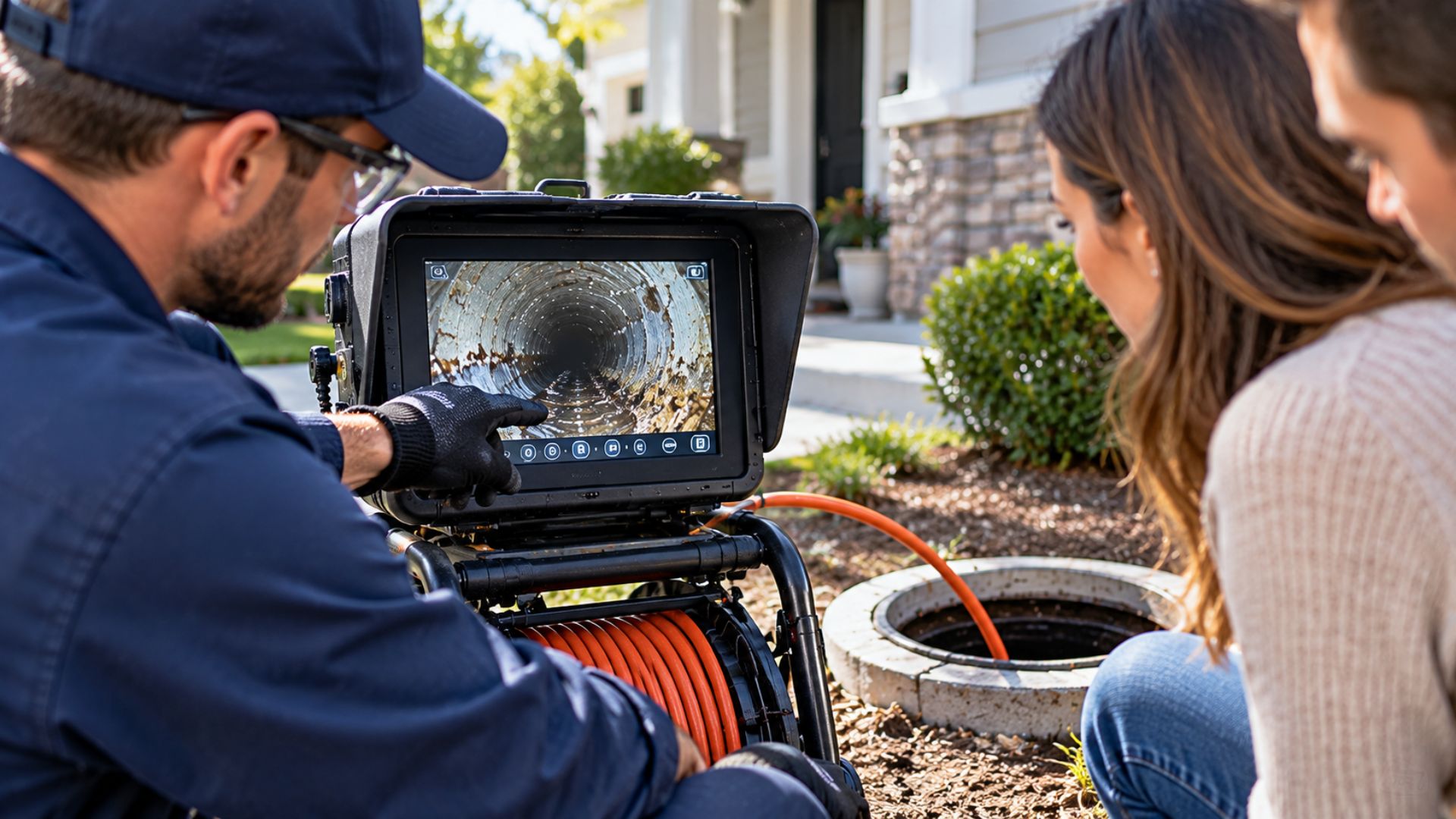
A sewer scope inspection, also called a sewer camera inspection or video pipe inspection, involves inserting a flexible camera into the home’s main sewer line through an accessible cleanout or another approved access point. The camera sends real-time images to a monitor while traveling through the pipe, and the inspector records the inspection and evaluates the condition, material, direction, and visible defects in the line.
A sewer scope generally examines the private lateral between: the home or foundation connection, the exterior sewer cleanout, and the municipal sewer tap, HOA connection, or septic tank. The exact inspection boundaries depend on the property, access points, and local requirements.
What the camera can reveal: tree-root intrusion, cracked, broken, or crushed pipes, separated or disconnected joints, offset pipe sections, standing water caused by a “belly” or low section, grease buildup and blockages, excessive rust, scale, or corrosion, deteriorated pipe materials, and collapsed or partially collapsed lines.
Why a Standard Home Inspection Is Not Enough
Many buyers assume the home inspection includes every system connected to the property. In practice, a general home inspection is usually focused on visible and accessible components, and underground sewer laterals are often outside the scope of a standard inspection.
A home inspector may test sinks, toilets, tubs, and drains, but normal drainage does not prove that the buried sewer line is structurally sound. A pipe can have a crack, root intrusion, offset joint, or developing collapse while fixtures continue to drain normally. That is why a home inspection sewer line assessment should be treated as a separate due-diligence step rather than an assumed part of the general inspection.
| General Home Inspection | Sewer Scope Inspection |
|---|---|
| Reviews visible and accessible plumbing components | Examines the interior of the buried sewer lateral with a camera |
| May test water flow and drainage | Documents structural and operational pipe conditions |
| Usually cannot see underground pipe defects | Can reveal roots, cracks, offsets, blockages, and collapse |
| Provides a broad assessment of the home | Focuses specifically on the private sewer line |
| May recommend further evaluation | Produces video evidence for further decisions |
A sewer scope does not replace a general home inspection. It complements it.
Why Sewer Problems Are Expensive
A sewer line failure can create several types of expense at once: emergency plumbing service, drain cleaning or repeated snaking, excavation and pipe replacement, trenchless lining or pipe bursting, driveway, patio, sidewalk, or landscaping restoration, basement cleanup and water or sewage damage, and temporary relocation during major repairs.
The cost is influenced by pipe length, depth, material, access, soil conditions, tree roots, pavement, landscaping, permitting, and the repair method. Long Island homeowners may also need to account for local permitting expenses — Nassau County’s published fee schedule lists a sewer permit fee of $120 and a sewer permit inspection fee of $399, though actual project requirements should be confirmed with the county or municipality before work begins.
A relatively inexpensive inspection can therefore provide valuable information before a buyer commits to a much larger financial obligation.
When Should You Get a Sewer Inspection?
A sewer scope is worth considering for nearly every home purchase, but it becomes especially important in certain situations.
Older homes Older properties may contain aging cast iron, clay, concrete, or fiber-based sewer pipes. Age alone does not prove failure, but older materials and long-term deterioration increase the value of inspecting the line.
Mature trees near the sewer route Tree roots naturally seek water and can enter small openings at pipe joints or cracks. Look for large trees between the home and the street, visible roots, raised sections of pavement, or unusually lush grass along the suspected sewer route.
Previous backups or recurring clogs Ask whether the property has experienced repeated toilet backups, slow drains throughout the house, frequent main-line cleaning, sewer odors, basement floor-drain backups, or plumbing repairs involving the main sewer line. A recent drain cleaning may remove a symptom without correcting an underlying defect.
Homes with basements or low-level plumbing A sewer blockage can force wastewater toward the lowest drain in the home. In properties with finished basements, the resulting damage can affect flooring, walls, furniture, electrical components, and personal belongings.
Limited repair documentation or new construction If the seller cannot provide records for previous sewer repairs, a scope can establish a current baseline. New homes can also benefit from sewer scoping, since a camera may identify construction debris, improper connections, or installation defects before a builder warranty expires.
Video Pipe Inspection Nassau County and Long Island
Buyers searching for video pipe inspection Nassau County or sewer camera inspection Long Island should choose a provider who understands local property conditions and clearly defines the inspection scope. Long Island homes may have older neighborhoods, mature landscaping, varied pipe materials, and connections that require careful access planning.
Before scheduling, ask: Does the service include the full private lateral to the municipal tap? Will the inspector provide the complete video? Is a written report included? What access point will be used? Will the inspector locate or mark defects? What happens if the cleanout is blocked or inaccessible? Are repair recommendations included? Is the inspector insured and appropriately qualified? Are additional fees charged for difficult access, extended lines, or locating defects?
How the Sewer Scope Process Works
The inspection process commonly follows these steps: the inspector locates an exterior cleanout, interior cleanout, or another suitable entry point, then prepares the work area by clearing debris or obstructions. The camera is inserted and guided through the sewer line while viewing the pipe’s interior on a monitor, and advanced toward the municipal connection, HOA tap, or septic tank when access and conditions permit. The inspector records defects, pausing at notable conditions and noting the approximate distance from the access point. Finally, the buyer receives the inspection findings, video, photographs where applicable, and a clear explanation of any limitations.
The inspection itself often takes approximately 30 to 60 minutes, although accessibility, pipe length, blockage, and property layout can affect the duration.
How to Read a Sewer Scope Report
Not every unusual image means the sewer line needs immediate replacement. The report should distinguish between normal conditions, maintenance issues, defects, and urgent failures.
Conditions that may require attention: root intrusion — roots have entered through joints or cracks and may restrict flow; offset joint — one pipe section has shifted out of alignment; pipe belly — a low section holds standing water and may collect waste; cracked or broken pipe — structural damage may allow soil intrusion or leakage; collapse — the line is severely obstructed or no longer structurally open; heavy scale — corrosion or mineral buildup reduces the effective diameter; and grease or debris — the line may be partially blocked and require cleaning.
A sewer defect does not automatically mean you should abandon the purchase — it means you need better information before deciding. Ask a licensed plumber or sewer contractor to review the video and recommend the appropriate solution, and obtain a written estimate that separates cleaning, root treatment, spot repair, full replacement, trenchless lining, pipe bursting, excavation, restoration, and permit charges. If the purchase contract includes an inspection contingency, discuss the report with your real estate attorney and agent before the deadline — possible outcomes may include requesting repairs, negotiating a credit, renegotiating the purchase price, or terminating the contract where permitted.
How Much Does a Sewer Scope Cost?
A residential sewer scope is commonly priced as an additional inspection service. Published consumer and inspection guides report typical ranges of approximately $125 to $400, although actual pricing varies by location, access, line length, cleanout condition, urgency, and whether locating or additional diagnostic work is included.
For a buyer, the more important question is not simply “How much does a sewer scope cost?” It is “What could I learn before becoming responsible for the line?” A scope may help a buyer avoid paying full asking price for a property with a failing sewer lateral, accepting an inappropriate repair credit, missing a negotiation deadline, buying a home that requires immediate excavation, or confusing a temporary clog removal with a permanent solution.
A sewer defect does not automatically mean you should abandon the purchase. It means you need better information before deciding.
Protect Your Investment Before You Close
A sewer inspection before buying a house is one of the most practical ways to uncover a hidden property risk. A general home inspection can tell you whether visible plumbing fixtures work, but a sewer scope can show what is happening inside the buried line.
For buyers in Nassau County and across Long Island, a professional sewer camera inspection can provide evidence before closing, improve negotiation leverage, and help prevent an unexpected sewer repair from becoming the first major expense of homeownership. Schedule the scope during the inspection contingency period, request the complete video and report, and have any significant defect reviewed by a qualified plumbing professional.
Don't let hidden sewer line damage become an unexpected homeownership expense. Call Doodyman To The Rescue at (516) 354-8336 or request an assessment to schedule a professional sewer scope inspection before buying a house.